Welcome to JINING YIKANG INTERNATIONAL TRADE CO., LTD.


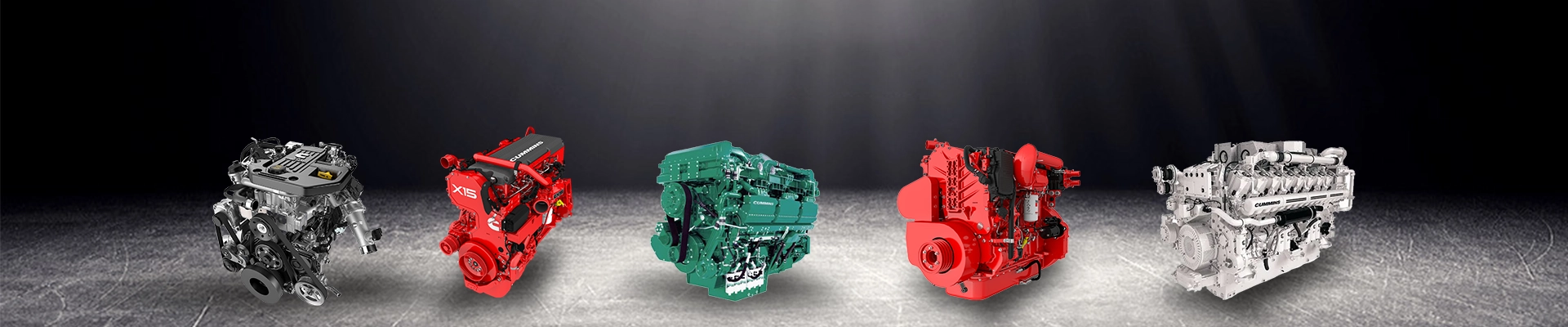
The Role of Diesel Engines in Drilling Rig Operations: Performance and Efficiency Insights
Release time:
2025-06-23
Diesel engines for drilling rigs play a pivotal role in ensuring operational efficiency and productivity in the oil and gas industry. These engines are favored for their robustness, fuel efficiency, and high torque, making them ideal for the demanding tasks associated with drilling operations. Understanding the technical specifications, maintenance requirements, and performance optimization of die
One of the key advantages of diesel engines is their excellent fuel efficiency. In environments where fuel costs can be substantial, the ability of diesel engines to provide more power per unit of fuel compared to gasoline engines is crucial. This efficiency is particularly important in drilling operations, where machinery often runs for extended periods. Moreover, diesel engines are designed to withstand harsh conditions, making them reliable for use in remote and rugged drilling sites.
When selecting a diesel engine for a drilling rig, several factors should be considered. The engine's horsepower, torque specifications, and fuel consumption rates are vital metrics that influence both the performance and operational costs of the rig. Additionally, the engine's weight and size can affect the rig's overall design and mobility. It is essential to match the engine's capabilities with the specific drilling requirements to ensure optimal performance.
Maintenance is another critical aspect that impacts the longevity and efficiency of diesel engines. Regular servicing, including oil changes, filter replacements, and inspections, is necessary to keep the engine running smoothly. Implementing a predictive maintenance strategy can further enhance reliability by identifying potential issues before they lead to costly downtime. Utilizing advanced monitoring systems can also help track engine performance metrics, enabling proactive maintenance and reducing the risk of unexpected failures.
Moreover, the integration of technology in diesel engines, such as turbocharging and electronic control units (ECUs), has significantly improved their performance and efficiency. These advancements allow for better fuel management, leading to reduced emissions and lower environmental impact—an increasingly important consideration in today’s regulatory landscape.
In conclusion, diesel engines are integral to drilling rig operations, offering superior performance and efficiency. By understanding their features, maintenance needs, and technological advancements, professionals in the automotive and equipment sectors can make informed decisions that enhance drilling operations and contribute to overall project success. Keeping abreast of the latest developments in diesel engine technology will ensure that drilling rigs remain competitive and efficient in the evolving energy landscape.
RELATED NEWS
A Comprehensive Guide to Maintaining Your Cummins Alternator Maintaining your **Cummins alternator** is crucial for ensuring the reliability and efficiency of your engine system. The alternator plays a significant role in powering various electrical components in your vehicle, such as lights, ignition systems, and onboard accessories. Regular maintenance can prevent failures, enhance performance
2026-11-24
Understanding Rock Drilling Engines: Key Insights for the Automotive Industry
Rock drilling engines play a vital role in the mining and construction industries, where they are used to create boreholes for various applications, including the extraction of minerals and the preparation of construction sites. Understanding the intricacies of these engines is essential for professionals in the automotive sector, particularly those involved in engine systems and complete engine a
2026-11-17
Top Features to Look for in Mining Equipment with QSK Engines
Top Features to Look for in Mining Equipment with QSK Engines Mining operations demand equipment that can withstand the rigors of challenging environments while delivering exceptional performance. Among the top choices for reliable machinery are those equipped with QSK engines. **Cummins QSK engines** are renowned for their power, efficiency, and durability, making them ideal for heavy-duty appl
2026-11-10
Understanding Diesel Engines for Drilling Rigs: Key Insights and Considerations
Diesel engines are a cornerstone of power generation in various industrial applications, and their significance in drilling rigs cannot be overstated. These robust engines are designed to handle heavy-duty tasks, making them ideal for the demanding environments encountered in drilling operations. Understanding the nuances of diesel engines for drilling rigs is crucial for professionals in the auto
2026-10-15
How to Choose the Right Agricultural Engine for Your Crop Type
How to Choose the Right Agricultural Engine for Your Crop Type Introduction to Agricultural Engines Choosing the right agricultural engine is crucial for farmers aiming to optimize their crop production. **Agricultural engines** power various machinery, including tractors, harvesters, and irrigation systems. Understanding your crop type and the engine's capabilities can lead to better performa
2026-10-08
Understanding Compression Ignition Engines: Dynamics, Advantages, and Applications
Compression ignition engines, commonly referred to as diesel engines, operate on a distinct principle compared to their spark ignition counterparts. The key defining characteristic of compression ignition engines lies in their method of fuel ignition. Instead of using a spark plug, these engines rely on the heat generated through the compression of air within the combustion chamber to ignite the f
2026-10-01
Phone
Office Address
No. 8 Shanbo Road, Jining High Tech Zone, Jining City, Shandong Province, China
The company implements the strategy of "rooted in the local area and serving the world" and has established stable cooperative relations with Cummins, Shandong University, Engineering Machinery Association and other units. Adhering to the mission of "driving the world forward and achieving the most beautiful life", with the purpose of "innovation is inexhaustible, customer achievement", to build a more efficient and cleaner future power world.
Copyright : JINING YIKANG INTERNATIONAL TRADE CO., LTD. Powerby : CEGLOBAL Seo Tags Privacy Statement