Welcome to JINING YIKANG INTERNATIONAL TRADE CO., LTD.


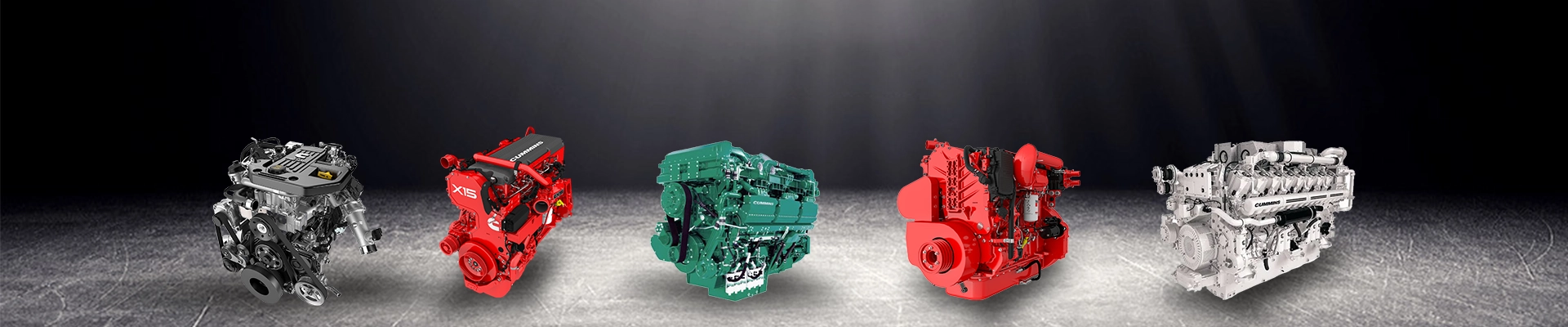
Understanding Engine Solutions for Oilfield Services: Powering the Future of Energy
Release time:
2026-04-30
In the oil and gas industry, the efficiency and reliability of equipment are paramount, and engines play a critical role in oilfield services. These engines are specifically designed to withstand the harsh conditions typically encountered in oil extraction and production, including extreme temperatures, high pressure, and exposure to various chemicals. This article delves into the significance of
Oilfield operations are often conducted in remote areas where access to resources can be limited. Consequently, the engines used in these applications must be robust, durable, and capable of delivering consistent performance under strenuous conditions. The demand for high-torque performance and fuel efficiency has led manufacturers to develop specialized engines that cater specifically to the needs of the oil and gas sector.
One notable advancement in engine technology for oilfield services is the incorporation of advanced materials. Manufacturers are utilizing lightweight and durable materials, such as titanium and composite alloys, which enhance the engine's performance while reducing its overall weight. This not only improves fuel efficiency but also extends the lifespan of the engine, thereby reducing maintenance costs and downtime.
Additionally, engines designed for oilfield services often feature advanced control systems that optimize performance. These systems can monitor various parameters in real time, allowing for immediate adjustments that enhance efficiency and reduce emissions. With environmental regulations becoming increasingly stringent, the development of cleaner-burning engines is a crucial aspect of the industry’s evolution. Innovations in fuel injection technology and after-treatment systems are also contributing to lower emissions without compromising performance.
Another important factor to consider is the ability of these engines to operate in diverse environments. Oilfields can vary significantly in their geographic and climatic conditions, from arid deserts to frigid tundras. Engine manufacturers have responded to this challenge by developing versatile engine designs that can adapt to a wide range of operational settings. This adaptability ensures that oilfield services can continue uninterrupted, regardless of external conditions.
Furthermore, the integration of digital technologies into engine systems has revolutionized the way that oilfield services are conducted. IoT (Internet of Things) technology allows for remote monitoring and diagnostics, enabling operators to identify issues before they escalate into major problems. This proactive approach to maintenance enhances operational efficiency and safety, which are critical in an industry where downtime can lead to significant financial losses.
In conclusion, engines for oilfield services are a vital component of the energy sector, designed to meet the unique challenges posed by harsh operational environments. Through advanced materials, innovative control systems, and digital integration, these engines are becoming more efficient, reliable, and environmentally friendly. As the oil and gas industry continues to evolve, understanding the role of specialized engines will be crucial for stakeholders aiming to optimize operations and adapt to new technological advancements.
RELATED NEWS
QSK50 Diesel Engine: Full Specs, Maintenance & Buying Guide 2026
This 2026 expert guide covers all essential information about the Cummins QSK50 heavy-duty diesel engine, designed for mining, power generation, marine, and oil & gas applications. We draw on 15+ years of hands-on experience supplying QSK50 parts to global customers, break down core specs, share maintenance tips, answer common questions, and help you choose the right parts for your unit.
2026-08-10
2026 Complete Guide to Cummins Engine: Types, Maintenance & Buying Tips
This guide to Cummins engines leverages Jining Yikang International Trade’s 15+ years of experience sourcing and supplying genuine and remanufactured Cummins engines to global clients. It covers core types, maintenance best practices, common buyer questions, and selection tips to help you make cost-effective, reliable decisions for your project.
2026-08-09
Complete Guide to QSM11: Specs, Uses, Benefits for 2026 | Yikang International
This guide draws on Jining Yikang International’s 10+ years of experience supplying pneumatic components to global clients to break down everything you need to know about QSM11. We cover definition, key specs, use cases, selection tips, common questions, and product comparisons to help you make informed purchasing decisions for your automation projects in 2026.
2026-08-08
Complete Guide to K38 Superalloy: Properties, Applications & 2026 Buying Tips
This complete 2026 guide covers all key information about K38, a popular high-performance nickel-based superalloy. We share practical test data from JINING YIKANG INTERNATIONAL TRADE, compare K38 with alternative alloys, answer common user questions, and provide actionable buying tips. This guide helps engineers and procurement teams make informed decisions for high-temperature industrial projects.
2026-08-05
K19 Disposable Protective Coverall: 2026 Complete Sourcing Guide for Bulk Buyers
This 2026 guide provides a comprehensive, unbiased overview of K19 disposable protective coveralls for global procurement teams, distributors, and business buyers. We draw on Jining Yikang International Trade’s hands-on manufacturing experience and industry data to cover specs, compliance, sourcing steps, and pricing, helping you avoid common costly sourcing pitfalls.
2026-08-06
Premium Cummins Engine Parts: 2026 Complete Buyer’s Sourcing Guide | Yikang
This 2026 guide covers everything buyers need to know about Cummins engine parts, from common replacement types to compatibility checks, OEM vs aftermarket comparisons, and maintenance best practices. We draw on Yikang’s 15+ years of hands-on experience supplying Cummins parts to global clients to deliver unbiased actionable advice that helps you cut repair costs and minimize equipment downtime.
2026-08-03
Phone
Office Address
No. 8 Shanbo Road, Jining High Tech Zone, Jining City, Shandong Province, China
The company implements the strategy of "rooted in the local area and serving the world" and has established stable cooperative relations with Cummins, Shandong University, Engineering Machinery Association and other units. Adhering to the mission of "driving the world forward and achieving the most beautiful life", with the purpose of "innovation is inexhaustible, customer achievement", to build a more efficient and cleaner future power world.
Copyright : JINING YIKANG INTERNATIONAL TRADE CO., LTD. Powerby : CEGLOBAL Seo Tags Privacy Statement