Welcome to JINING YIKANG INTERNATIONAL TRADE CO., LTD.


Understanding Engine Solutions for Oilfield Services
Release time:
2025-04-26
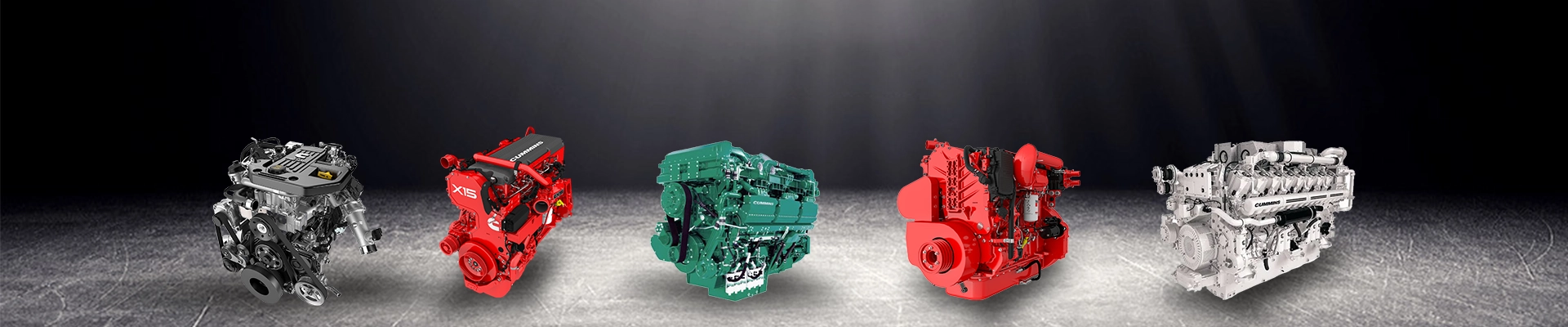
Engines play a pivotal role in oilfield services, serving as the powerhouse that drives various equipment used in the exploration, extraction, and transportation of oil and gas. These engines are specifically engineered to meet the demanding operational requirements of the oil and gas industry, which often involves working in extreme conditions such as high temperatures, dust, and moisture. There
There are several types of engines used in oilfield services, including diesel engines, natural gas engines, and dual-fuel engines. Diesel engines are particularly popular due to their robustness and fuel efficiency. They provide the necessary power for heavy-duty equipment like drilling rigs, pumps, and compressors. Natural gas engines are gaining traction due to their cleaner emissions and cost-effectiveness, making them an appealing choice for some operators. Dual-fuel engines offer the flexibility of using both diesel and natural gas, allowing companies to optimize fuel costs and reduce their environmental footprint.
The design of engines for oilfield services is crucial. They are built to endure the rigors of the field, which includes vibrations, shocks, and exposure to various contaminants. Advanced materials and technologies are utilized in their construction to enhance durability and reduce maintenance needs. For instance, engines may feature advanced cooling systems to prevent overheating and specialized filters to keep out dirt and other particulates.
In addition to physical durability, these engines are also equipped with sophisticated electronic control systems that monitor performance and ensure optimal operation. These systems can provide real-time data on engine conditions, enabling operators to make informed decisions and carry out preventive maintenance before issues escalate, thereby minimizing downtime and optimizing productivity.
Furthermore, engines used in oilfield services are subject to stringent regulations regarding emissions and safety. Manufacturers are continuously innovating to improve the efficiency and sustainability of their engines, implementing new technologies and practices that comply with environmental standards.
In conclusion, understanding the functionality and importance of engines in oilfield services is vital for anyone involved in the oil and gas industry. These engines are not just machines; they are essential components that contribute significantly to operational success and efficiency. By leveraging the right engine solutions, companies can enhance their productivity, reduce operational costs, and promote a more sustainable approach to energy extraction and production.
RELATED NEWS
How to Choose the Right Agricultural Engine for Your Crop Type
How to Choose the Right Agricultural Engine for Your Crop Type Introduction to Agricultural Engines Choosing the right agricultural engine is crucial for farmers aiming to optimize their crop production. **Agricultural engines** power various machinery, including tractors, harvesters, and irrigation systems. Understanding your crop type and the engine's capabilities can lead to better performa
2026-10-08
Understanding Compression Ignition Engines: Dynamics, Advantages, and Applications
Compression ignition engines, commonly referred to as diesel engines, operate on a distinct principle compared to their spark ignition counterparts. The key defining characteristic of compression ignition engines lies in their method of fuel ignition. Instead of using a spark plug, these engines rely on the heat generated through the compression of air within the combustion chamber to ignite the f
2026-10-01
Comparative Analysis: Diesel vs. Electric Engines for Underground Mining
Comparative Analysis: Diesel vs. Electric Engines for Underground Mining Table of Contents 1. Introduction to Underground Mining Engines 2. Advantages of Diesel Engines in Underground Mining 3. Challenges Faced by Diesel Engines 4. Benefits of Electric Engines in Underground Mining 5. Challenges Associated with Electric Engines 6. Cost Analysis: Diesel vs. Electric Engines
2026-09-24
Understanding Engine Solutions for Oilfield Services: Key Insights and Considerations
--- In the oilfield service industry, the role of engines is paramount. Engines specifically designed for oilfield applications must withstand harsh environments, deliver reliable performance, and operate efficiently under demanding conditions. Whether utilized in drilling rigs, well service units, or auxiliary equipment, the choice of engine can significantly impact operational productivity and s
2026-09-17
2026 Complete Guide to Cummins Engines: Specs, Maintenance & Buying Tips
This 2026 practical guide covers all key information about Cummins engines, including core types, performance specs, maintenance best practices, common troubleshooting and how to source genuine units. We draw on 15+ years of hands-on experience supplying industrial engines to global clients to deliver accurate, actionable insights for buyers and operators.
2026-09-16
QSK50 Diesel Engine: Full Specs, Maintenance & Buying Guide 2026
This 2026 expert guide covers all essential information about the Cummins QSK50 heavy-duty diesel engine, designed for mining, power generation, marine, and oil & gas applications. We draw on 15+ years of hands-on experience supplying QSK50 parts to global customers, break down core specs, share maintenance tips, answer common questions, and help you choose the right parts for your unit.
2026-08-10
Phone
Office Address
No. 8 Shanbo Road, Jining High Tech Zone, Jining City, Shandong Province, China
The company implements the strategy of "rooted in the local area and serving the world" and has established stable cooperative relations with Cummins, Shandong University, Engineering Machinery Association and other units. Adhering to the mission of "driving the world forward and achieving the most beautiful life", with the purpose of "innovation is inexhaustible, customer achievement", to build a more efficient and cleaner future power world.
Copyright : JINING YIKANG INTERNATIONAL TRADE CO., LTD. Powerby : CEGLOBAL Seo Tags Privacy Statement